
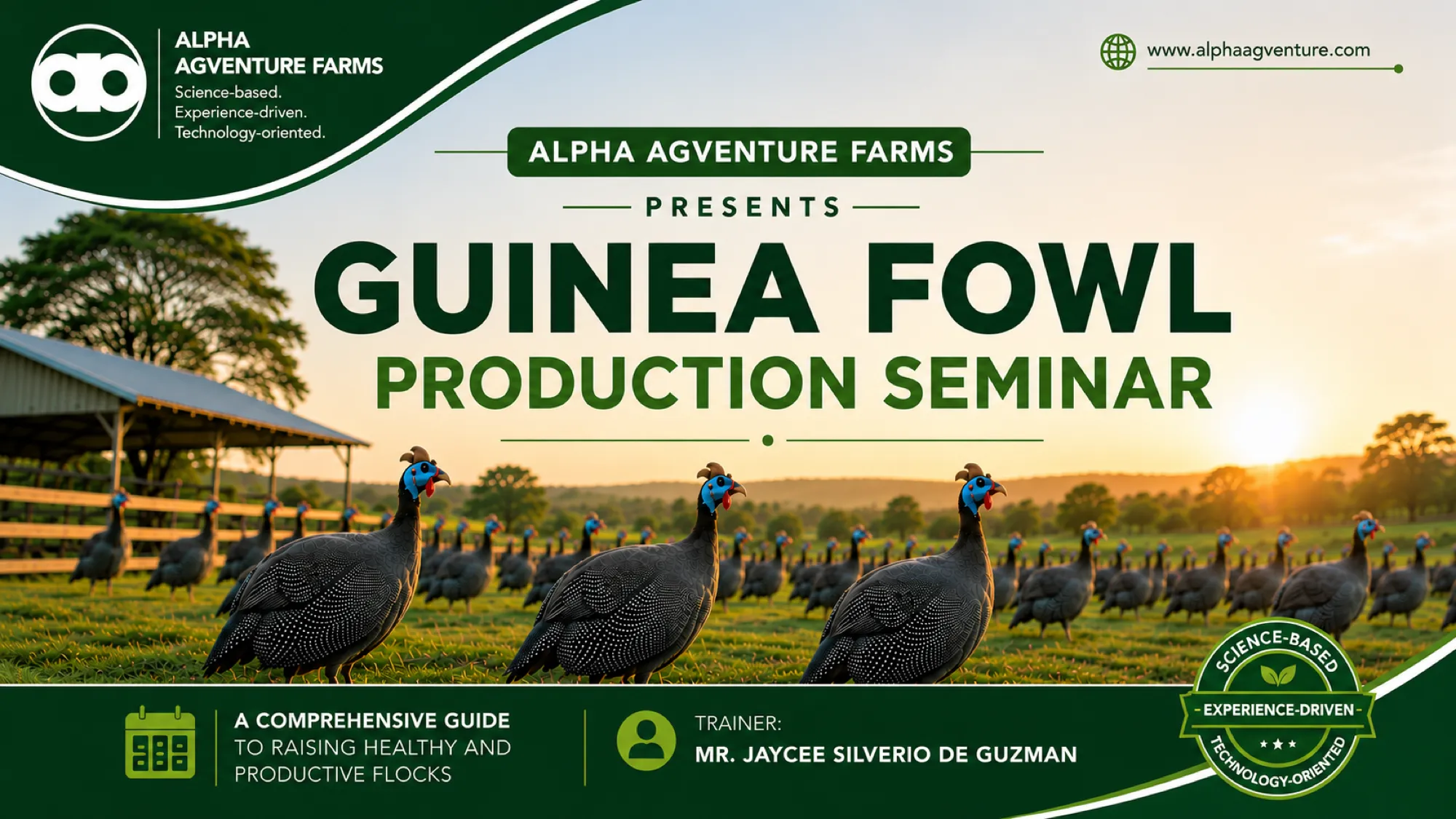
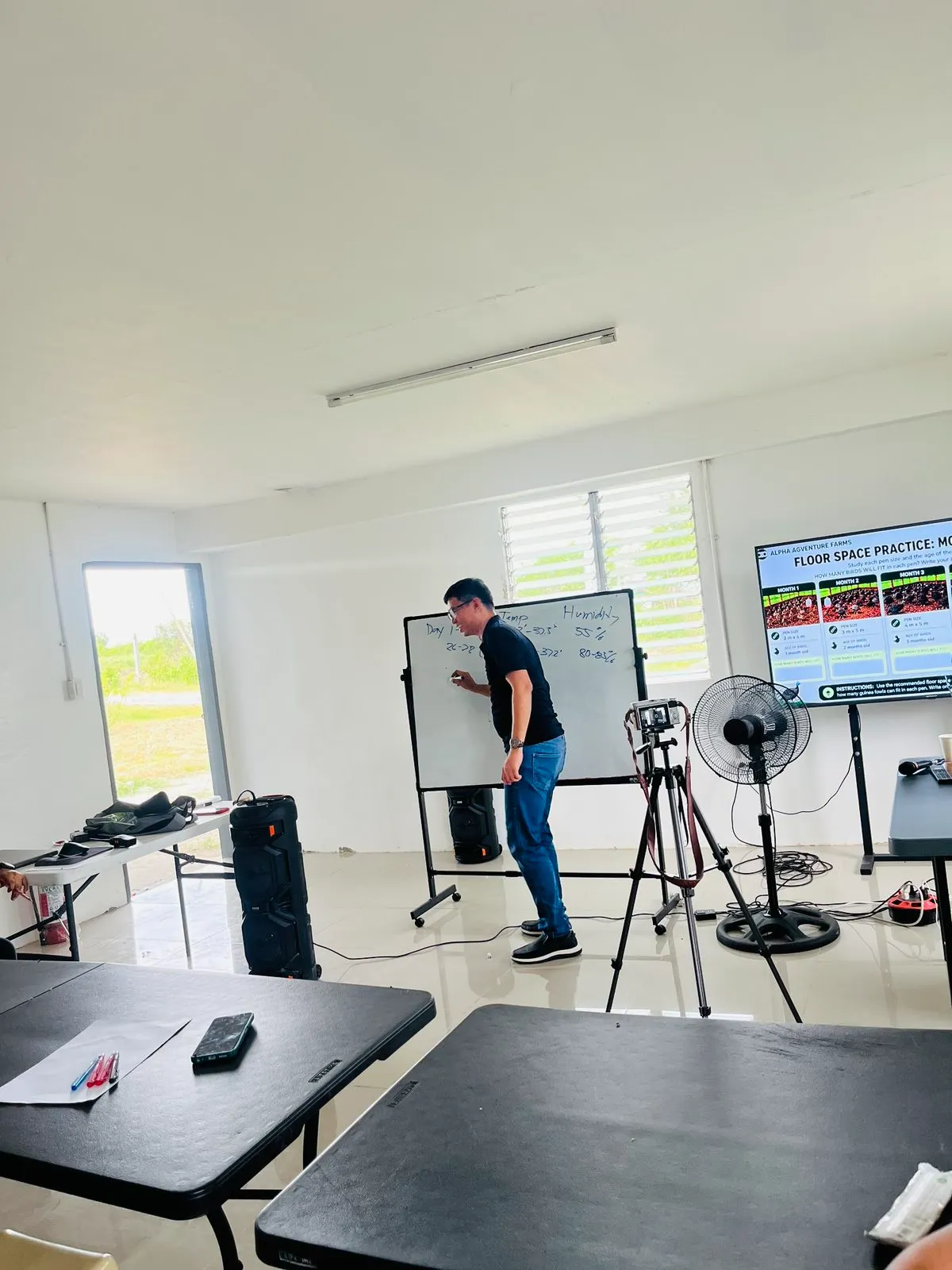
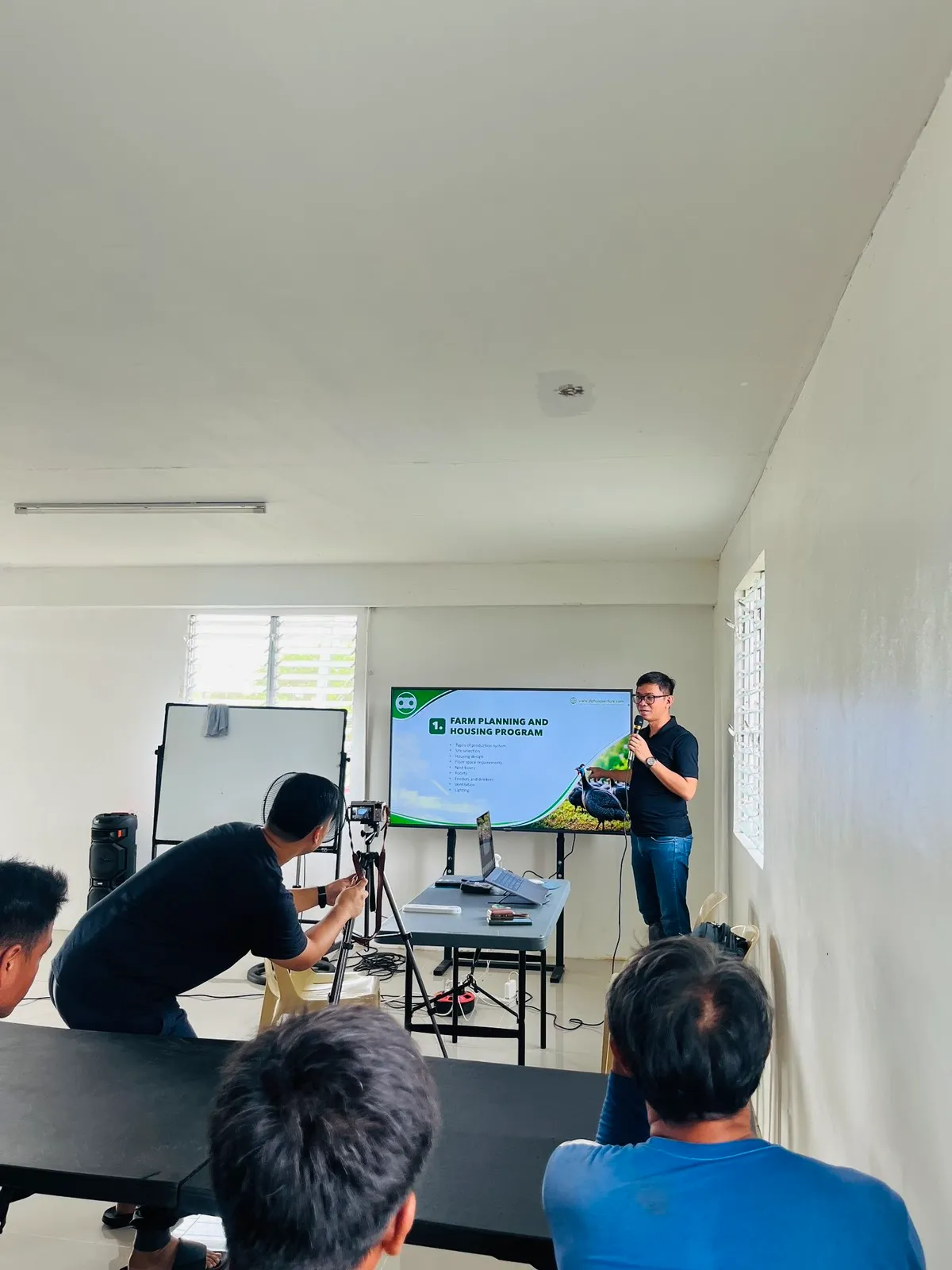
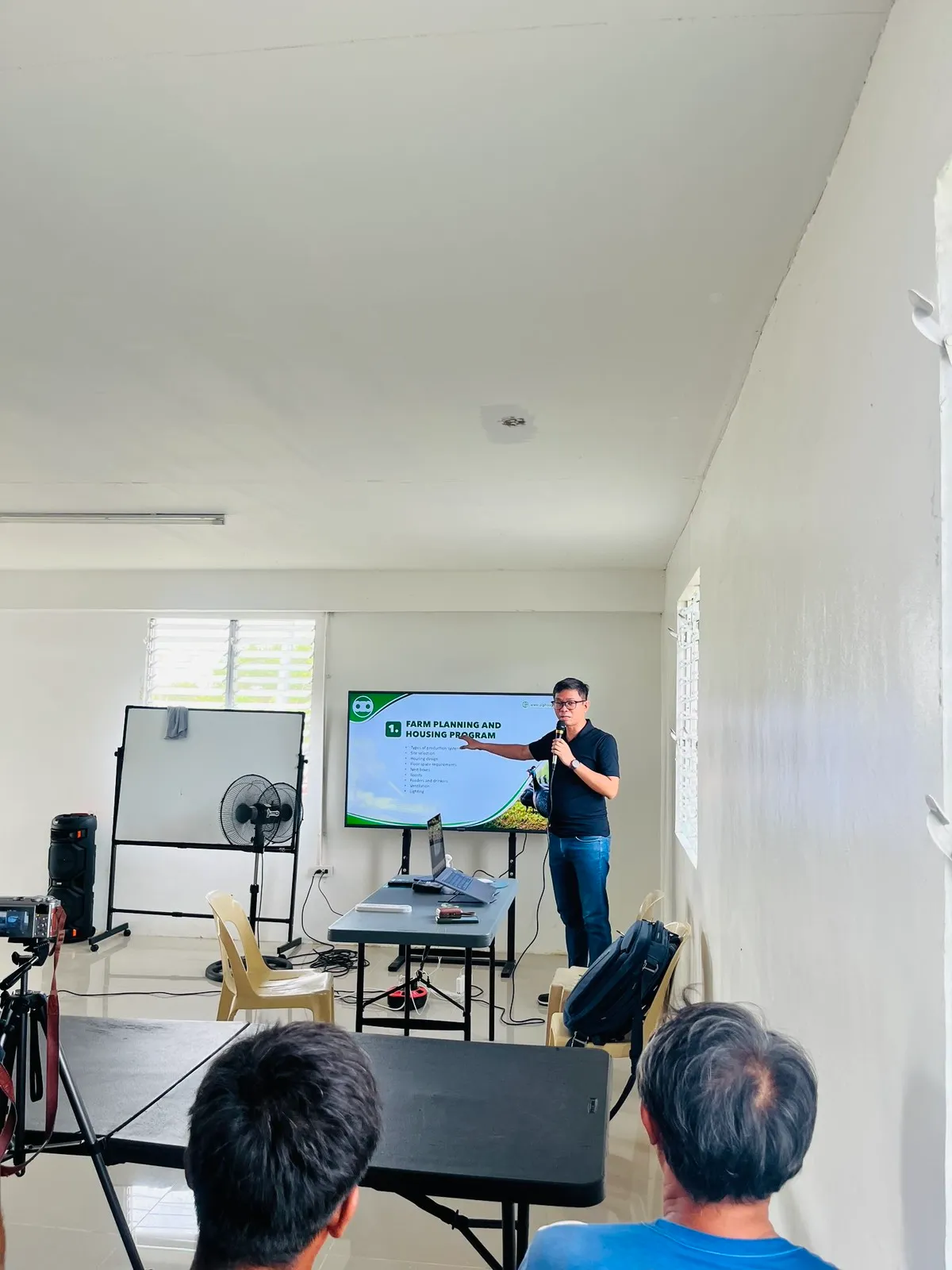
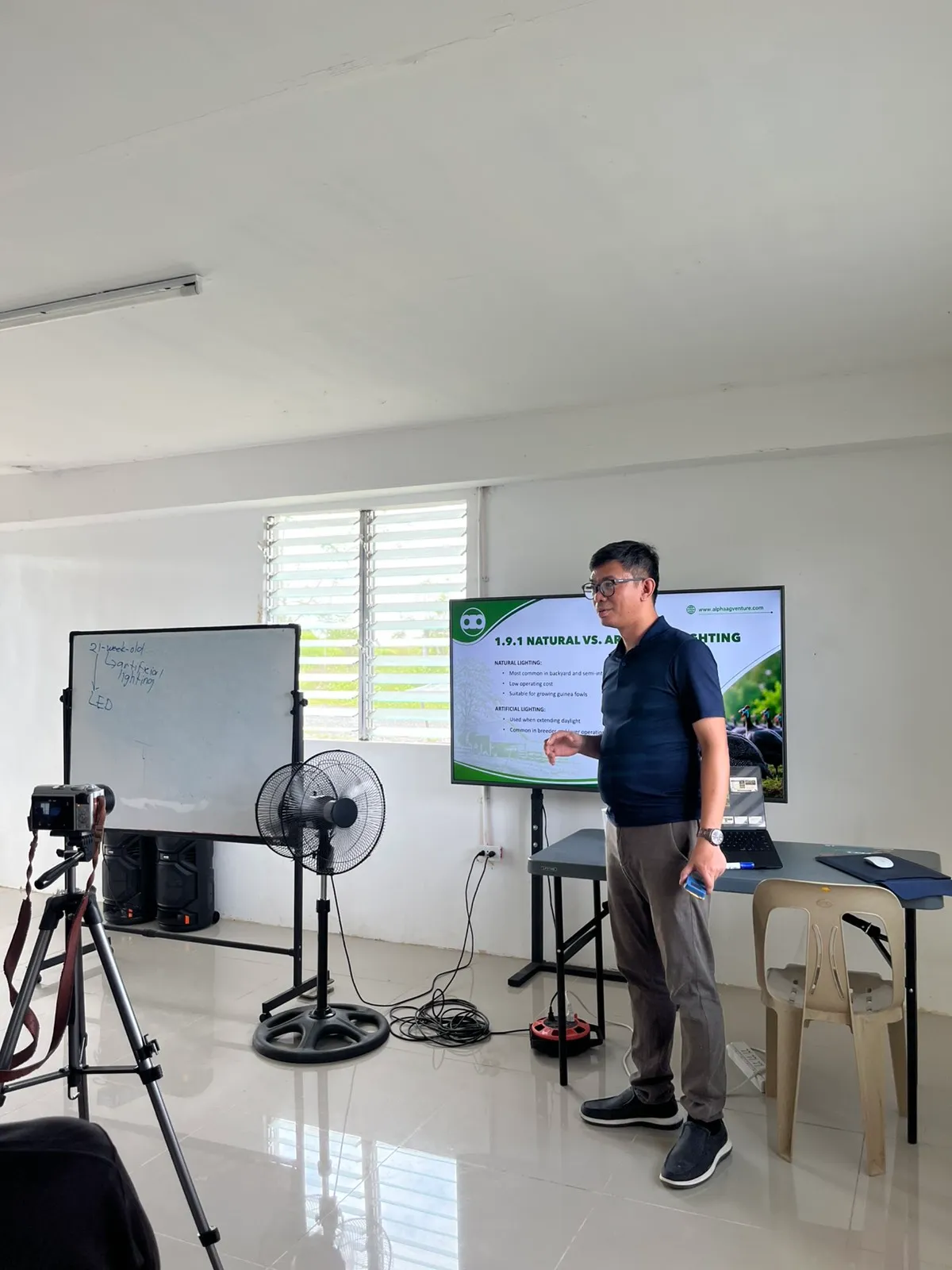
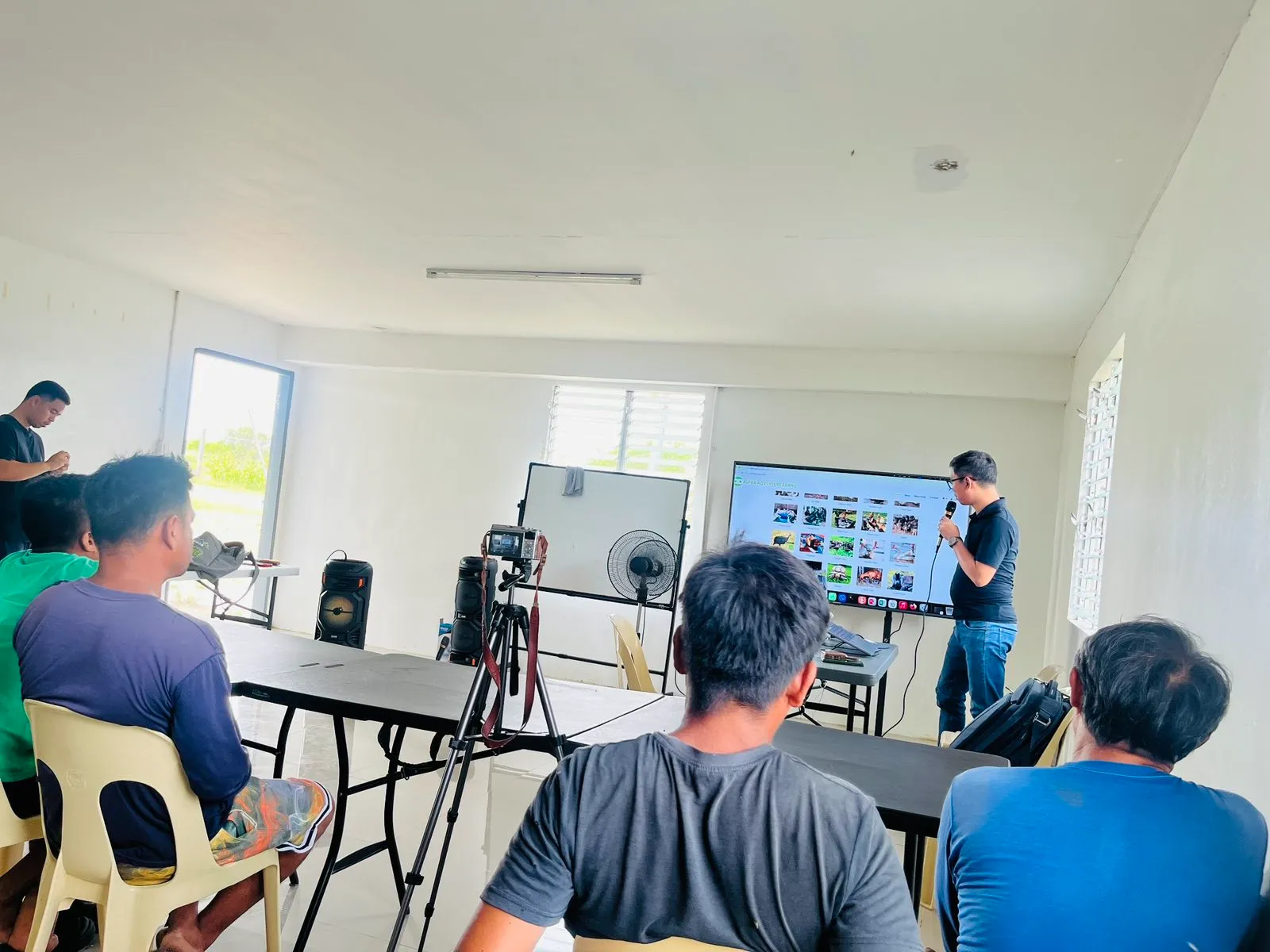
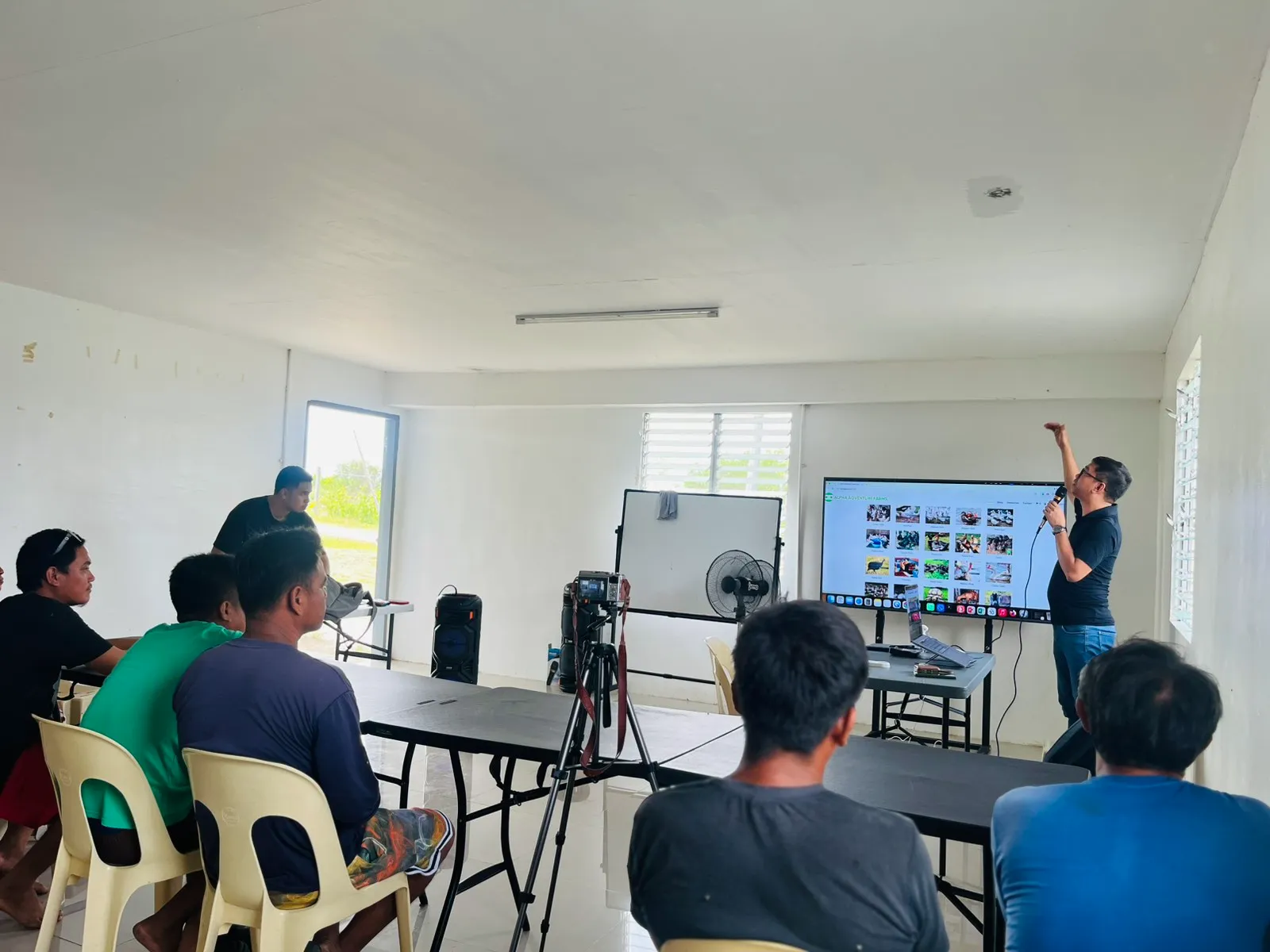
Last July 10 to 11, 2026, I had the opportunity to spend two full days with a private client in Tarlac City for an On-Farm Exclusive Training on guinea fowl farming. Instead of meeting in a seminar hall, we spent our time where it mattered most: right on the client’s farm.
The client owns more than 20 hectares of agricultural land planted with dragon fruit, guaples, and other fruit-bearing trees. Their goal was to integrate guinea fowls into the farm, not only as a livestock enterprise but also as a natural way to help control insect pests while reducing weed growth through the birds’ natural foraging behavior.
Because the training was exclusive, every discussion was built around that vision. We explored how guinea fowls could fit into their existing farm layout, management practices, and long-term plans while addressing the practical challenges unique to their operation.
One of the things I enjoy most about this type of training is that no two farms are ever the same. My goal was to help the client build a guinea fowl operation that supports both productive poultry management and a healthier, more sustainable farming system.
Why the Client Chose an On-Farm Exclusive Training
Every farm has its own layout, resources, and day-to-day challenges. Because of that, the client wanted a training program that focused on their actual operation instead of general farming concepts.
Over the two days, we walked around the farm together and discussed how guinea fowls could fit into their existing agricultural system. Every conversation was based on what we could actually see, observe, and evaluate on-site.
Whenever questions came up, we didn’t have to rely on hypothetical examples. We simply looked at the client’s facilities, available space, and farming practices, then discussed the most practical options based on those conditions.
This approach also allowed me to point out opportunities that might not be obvious during a traditional seminar. Small details in farm layout, housing design, bird movement, and daily management can make a significant difference over time.
By the end of the training, the client didn’t just leave with a collection of notes or presentation slides. They left with practical recommendations developed specifically for their farm, their goals, and the direction they want their operation to take.
Two Days of Practical Guinea Fowl Farming Instruction
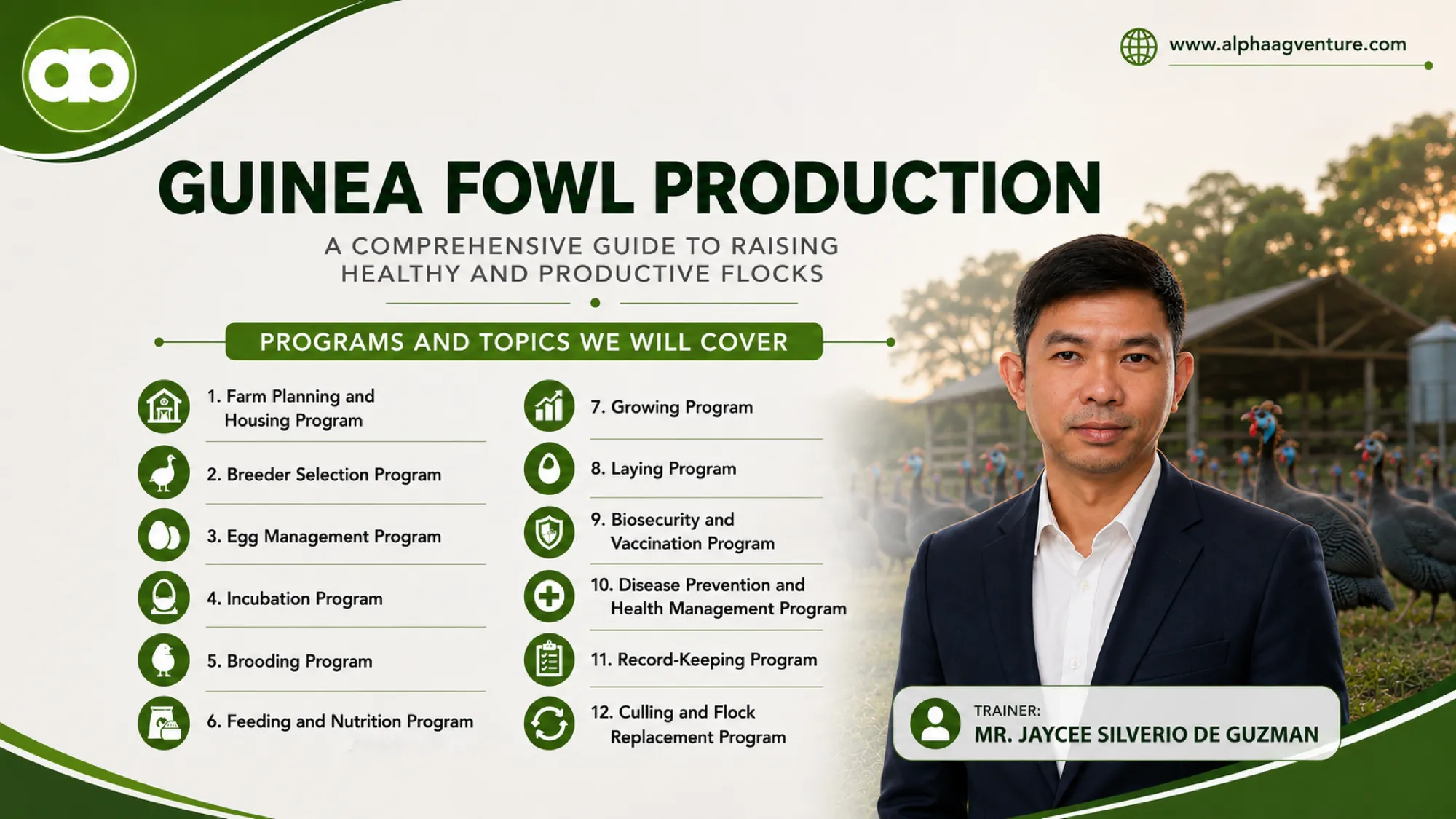
Over the course of two days, we covered the complete production cycle of guinea fowl farming. The lessons were arranged in the same sequence that a farmer would naturally encounter when establishing and managing a flock.
1. Farm Planning and Housing Program
We started by discussing how proper planning lays the foundation for a successful operation. We talked about housing design, space requirements, ventilation, drainage, and how to create an environment that keeps birds healthy and comfortable.
2. Breeder Selection Program
I explained what to look for when selecting breeding stock and why starting with quality birds matters. We also discussed the characteristics that contribute to better fertility, hatchability, and long-term flock performance.
3. Egg Management Program
We covered proper egg collection, handling, storage, and selection before incubation. Small mistakes during this stage can affect hatchability, so we discussed simple practices that help improve hatching results.
4. Incubation Program
We spent time discussing artificial incubation, including temperature, humidity, egg turning, and hatch management. I also shared practical techniques that can help improve hatch rates and produce healthier keets.
5. Brooding Program
The first few weeks of a guinea fowl’s life are often the most challenging. We talked about brooder setup, temperature management, feeding, water availability, and the daily care needed to raise strong and healthy young birds.
6. Feeding and Nutrition Program
We discussed the nutritional needs of guinea fowls from the brooding stage through adulthood. I also explained how proper feeding affects growth, immunity, reproduction, and overall flock performance.
7. Growing Program
As the birds mature, management priorities begin to change. We talked about space allocation, flock observation, stress reduction, and everyday practices that support healthy growth and development.
8. Laying Program
We explored the factors that influence egg production, including nutrition, lighting, housing, and overall flock management. The discussion also covered ways to encourage consistent laying while maintaining bird health.
9. Biosecurity and Vaccination Program
Disease prevention always begins with good management. We discussed practical biosecurity measures, vaccination planning, visitor control, sanitation, and other habits that help reduce the risk of disease entering the farm.
10. Disease Prevention and Health Management Program
I shared some of the more common health problems that guinea fowl farmers may encounter and how to recognize early warning signs. We also talked about preventive management practices that help keep the flock healthy throughout the year.
11. Record-Keeping Program
Good decisions depend on good records. We discussed how maintaining simple production records can help monitor flock performance, identify problems early, and guide future management decisions.
12. Culling and Flock Replacement Program
We ended the curriculum by discussing when birds should be retained, culled, or replaced. Proper flock replacement helps maintain productivity while ensuring that breeding stock continues to improve from one generation to the next.
A Training Built Around the Client’s Farm
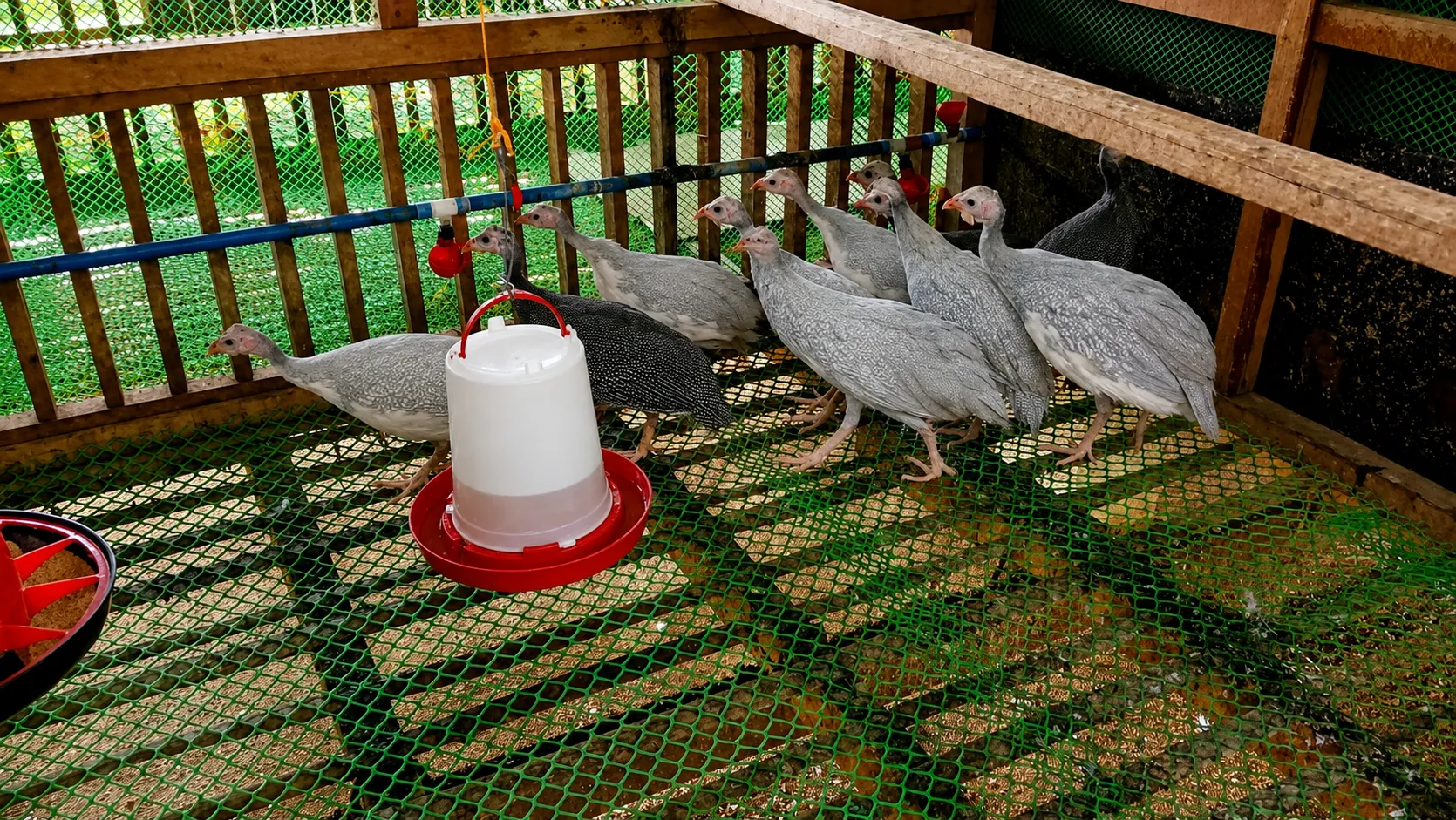
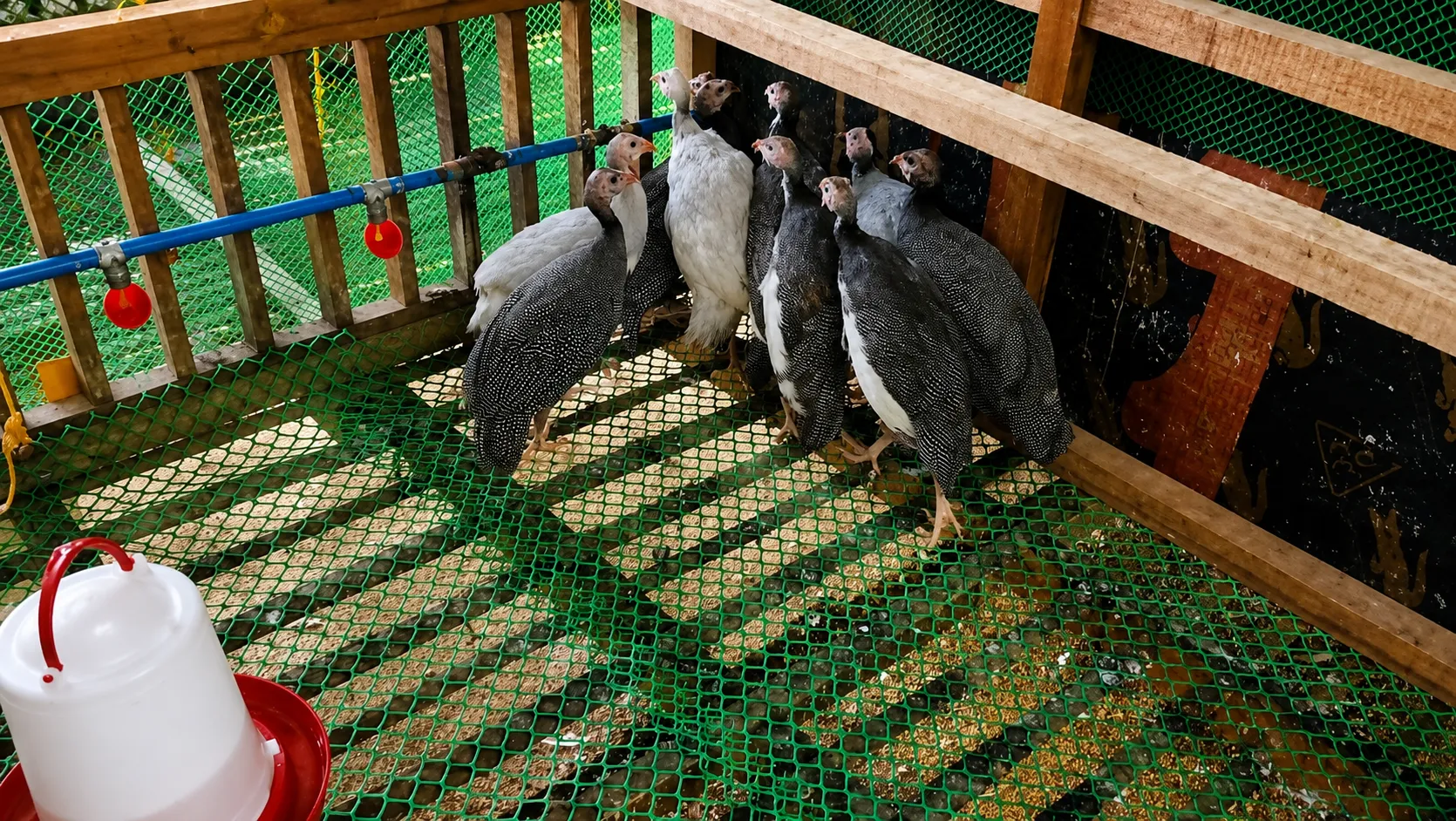
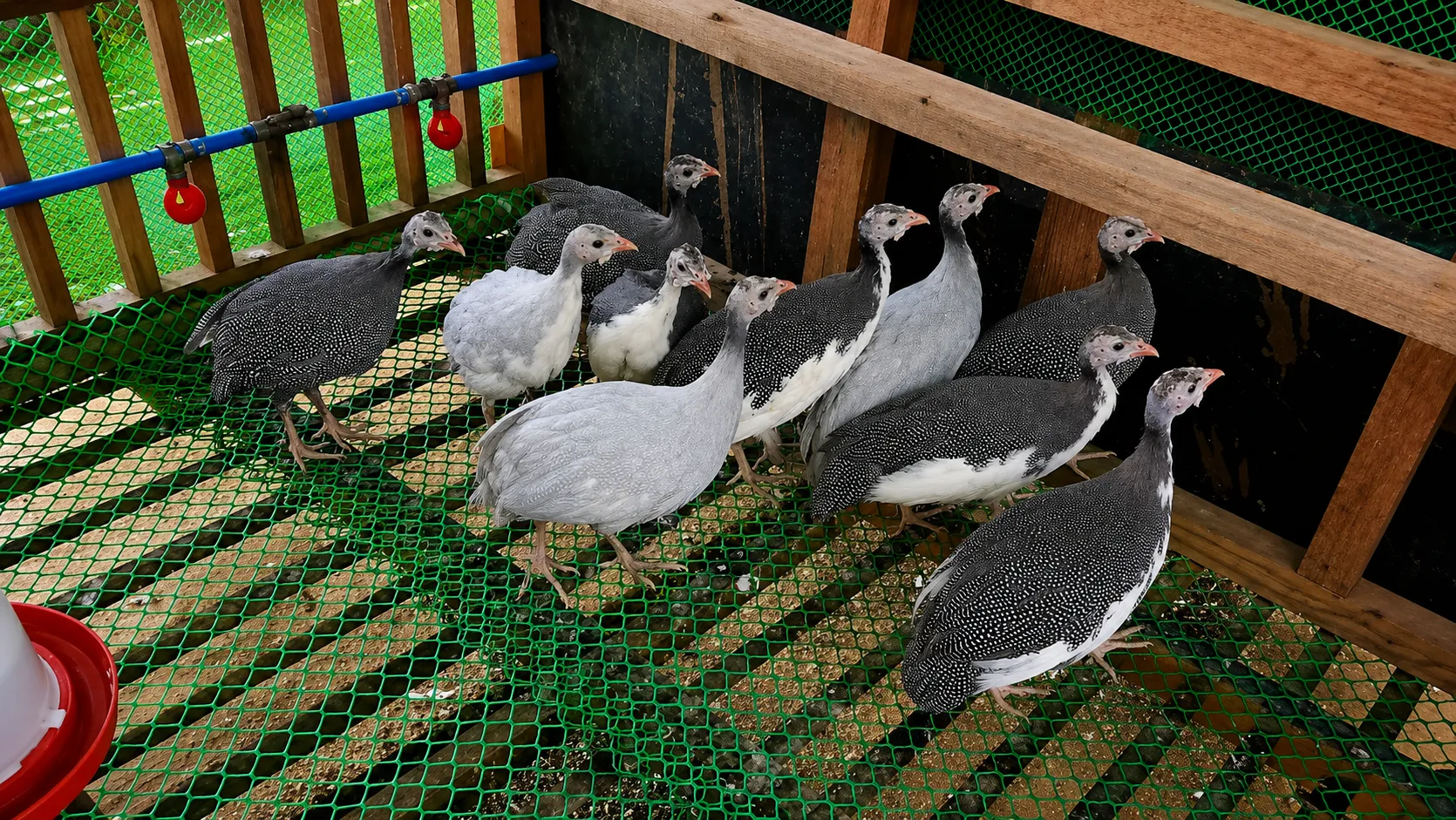
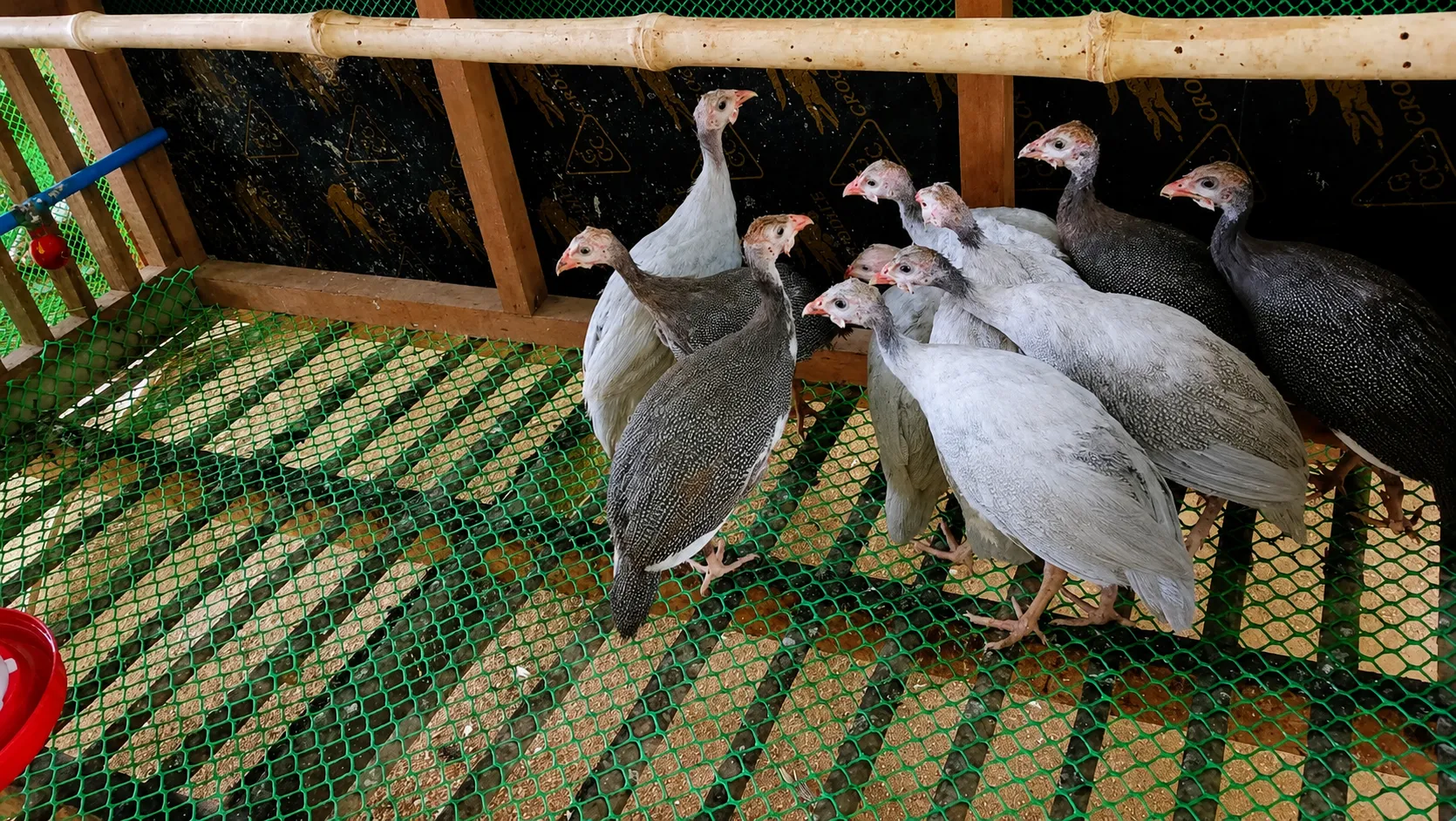
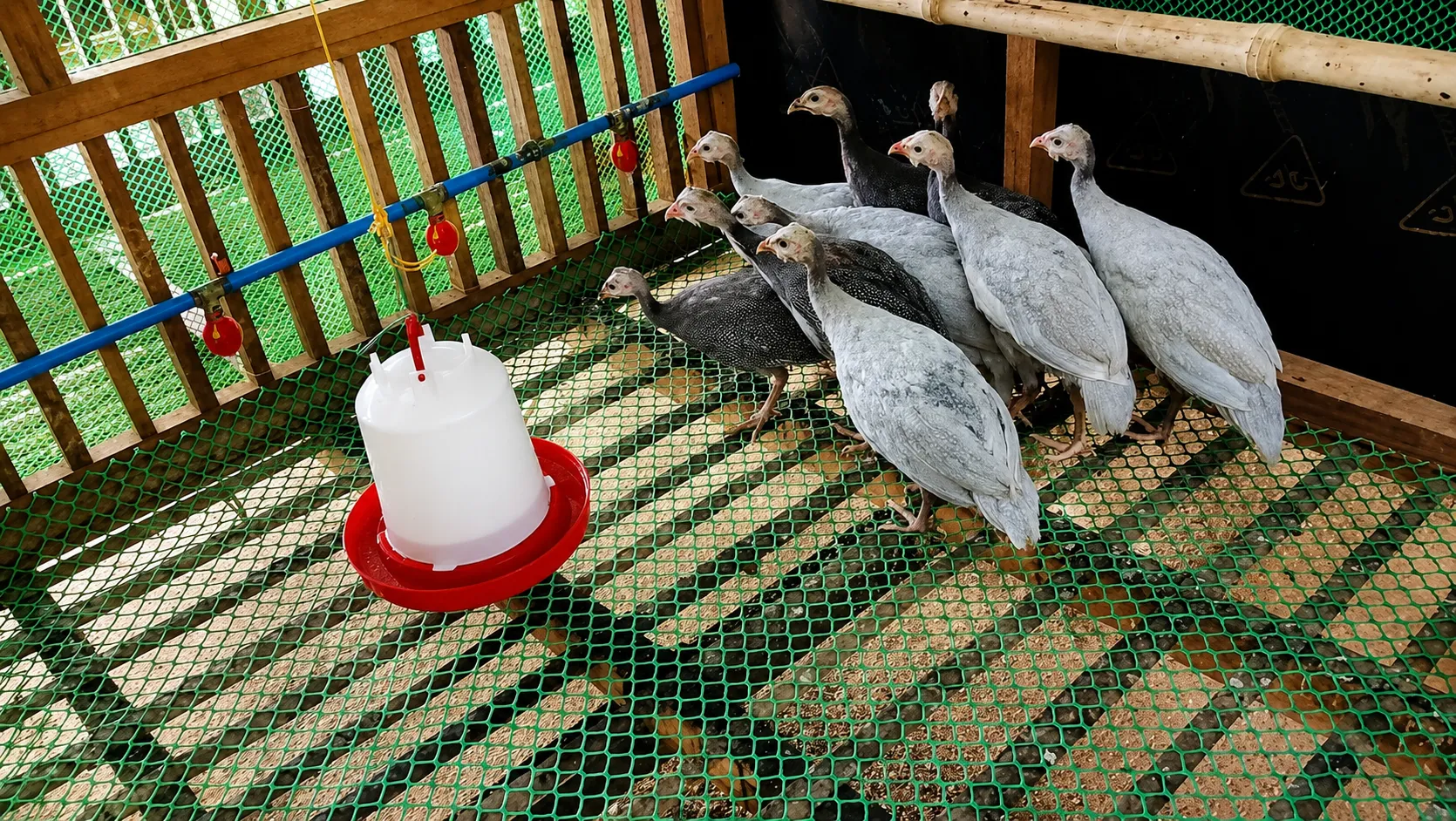
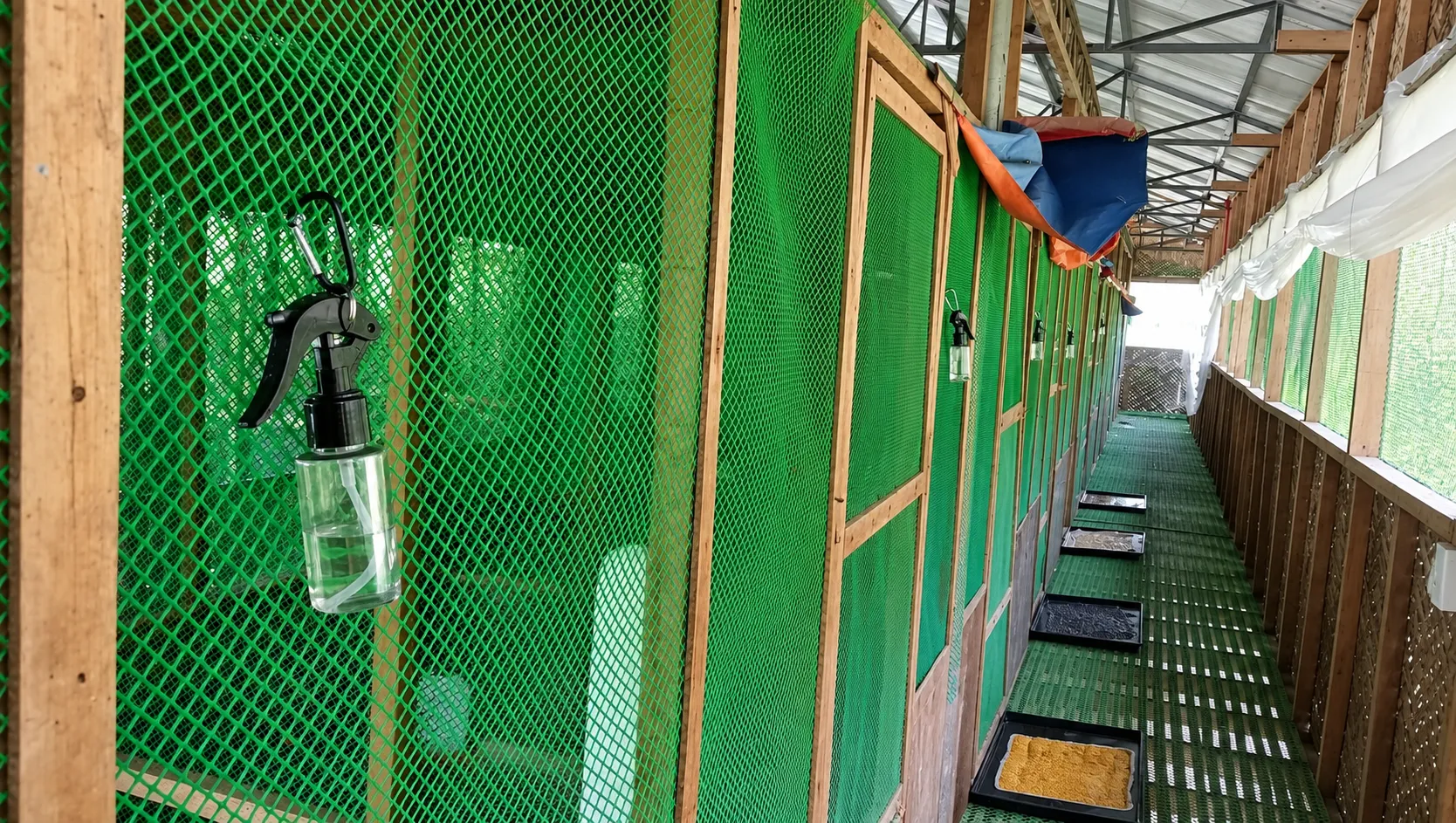
One of the biggest advantages of conducting the training on-site was the opportunity to learn from the farm itself. Instead of imagining different scenarios, we simply walked around the property and discussed what was right in front of us.
We examined the existing housing and talked about how it could be improved to better support a future guinea fowl operation. We also looked at the available equipment and discussed how each one could be used more effectively.
We spent time evaluating breeder selection, feeding practices, and the overall farm workflow. Every topic became more meaningful because we could immediately relate the discussions to the client’s own operation.
We also talked through management decisions that the client will eventually face as the flock grows. From daily routines to long-term planning, we explored practical approaches that fit the farm’s objectives.
Like any agricultural operation, the farm also has its own set of challenges. Rather than avoiding those conversations, we discussed them openly and explored realistic solutions based on the farm’s existing resources and long-term vision.
By the end of the training, the recommendations were no longer based on general farming principles alone. They had been shaped by the client’s facilities, production goals, available resources, and the unique conditions of their own farm.
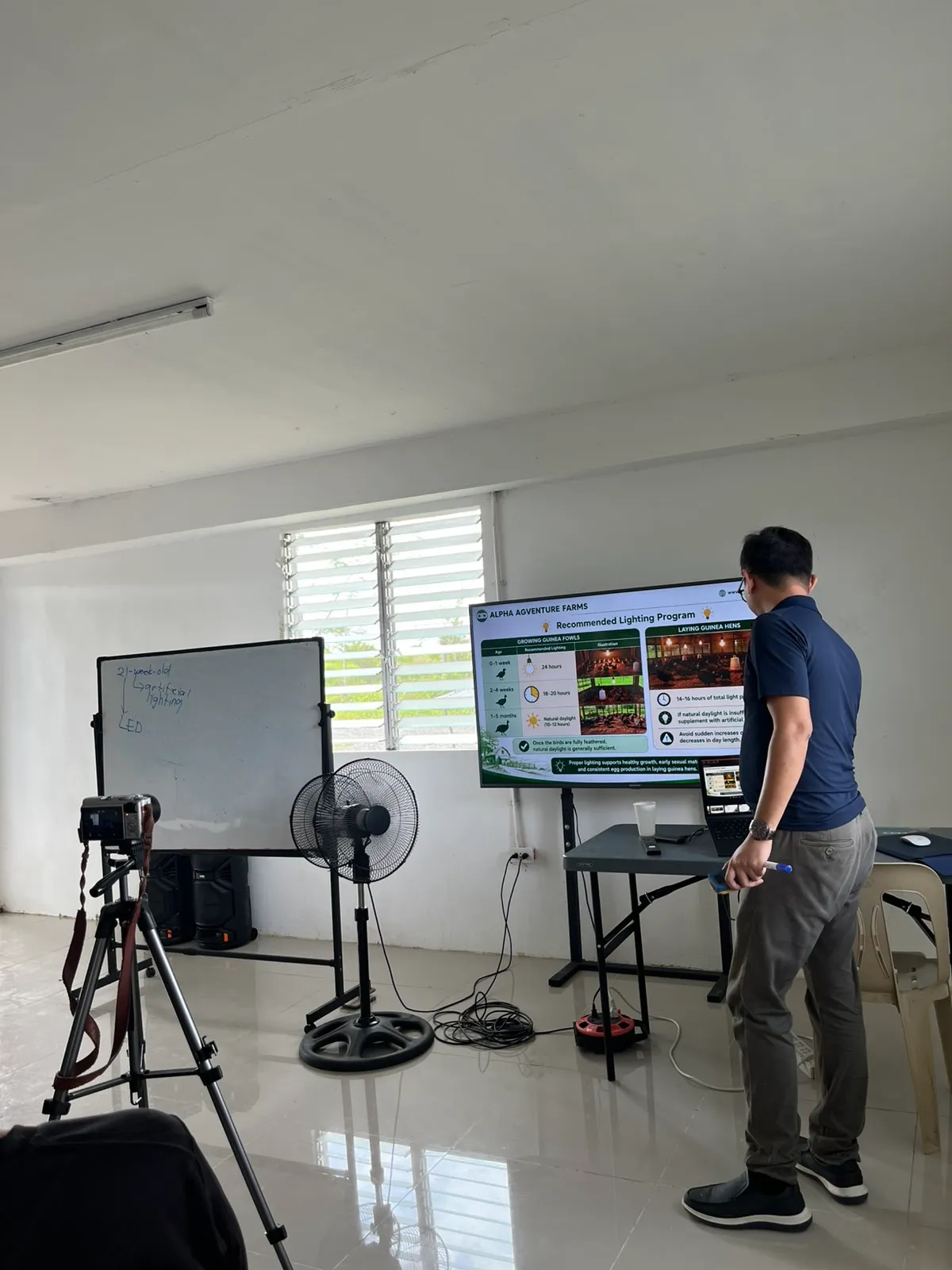
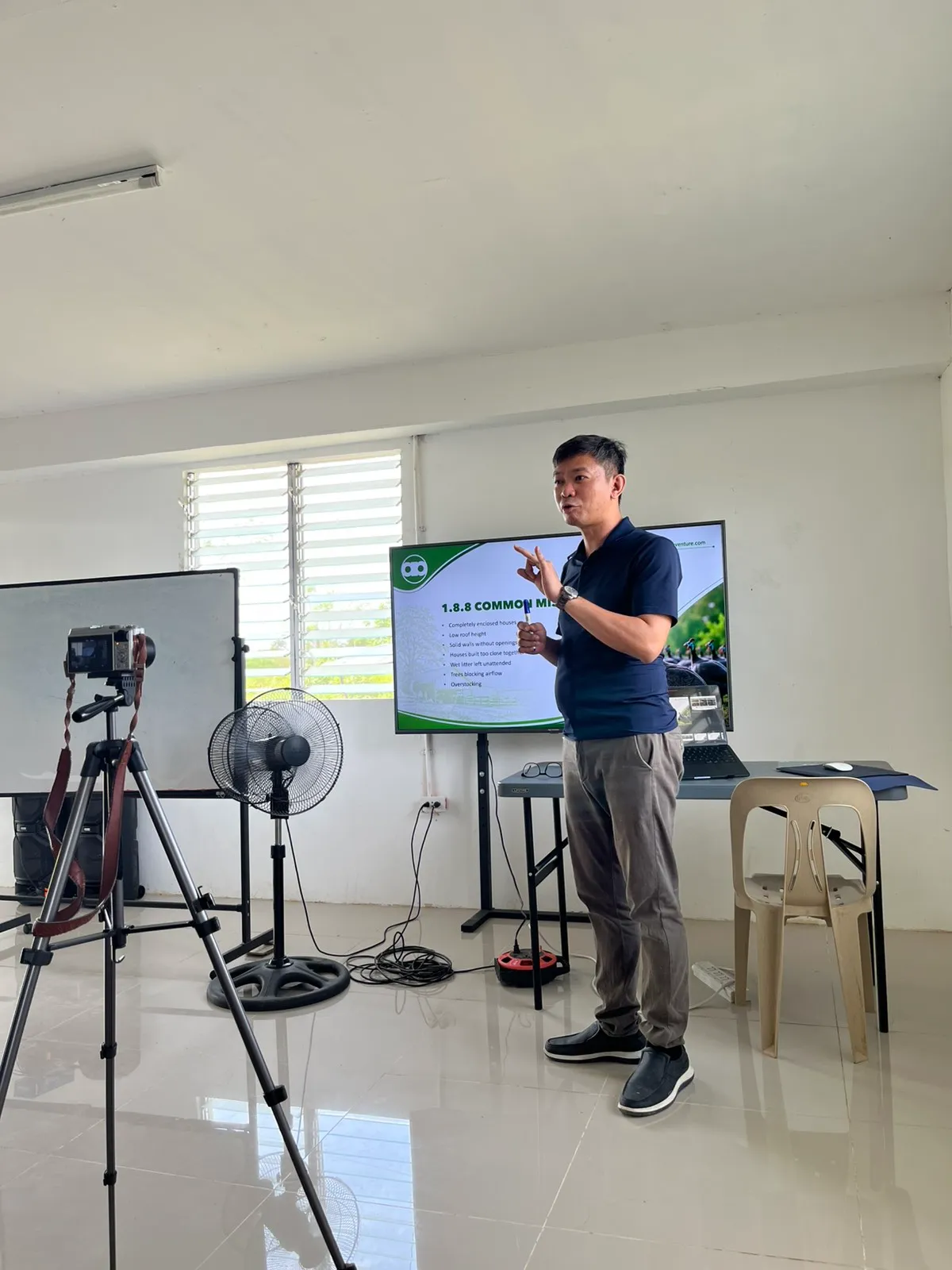
What Participants Received
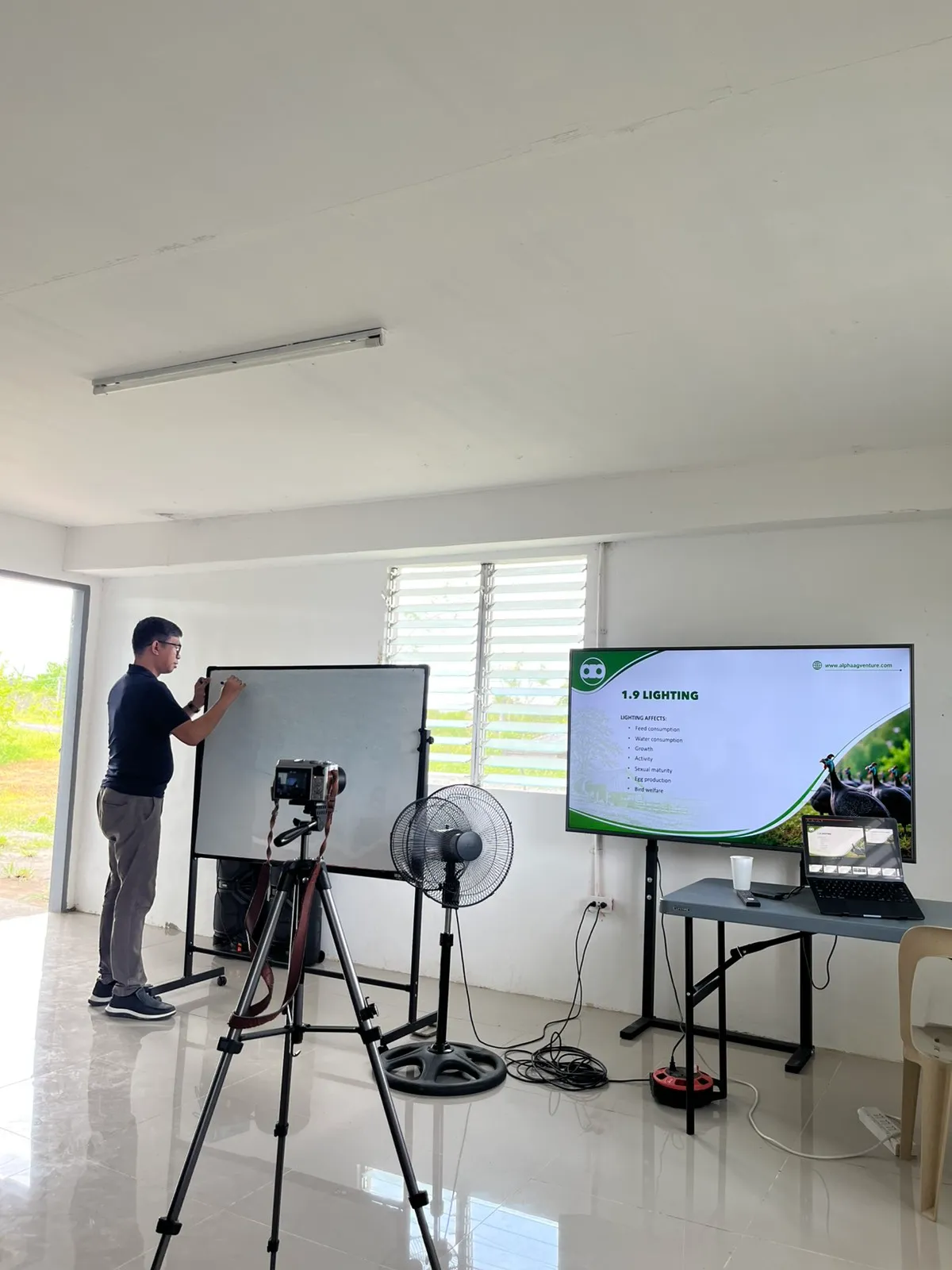
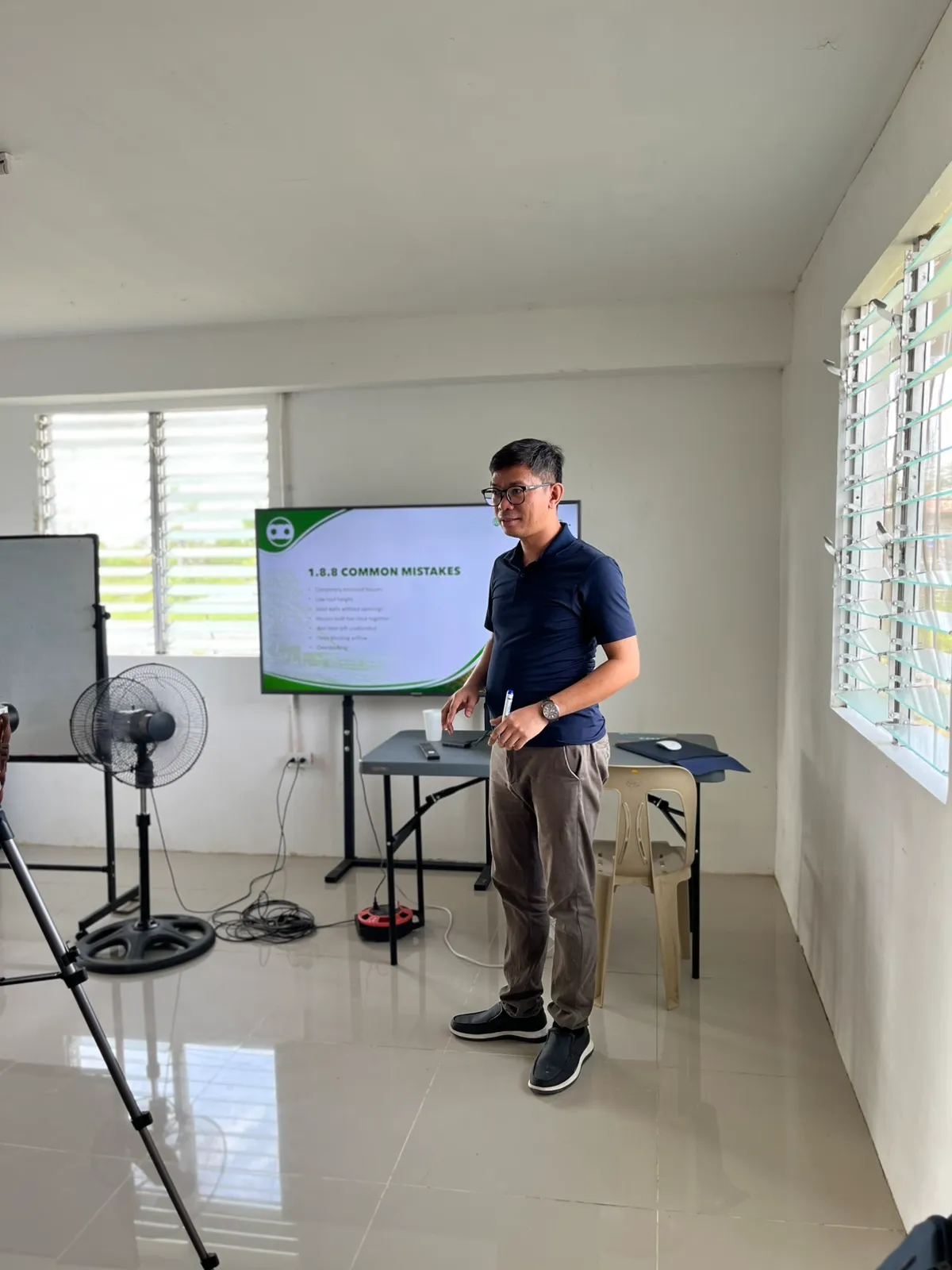
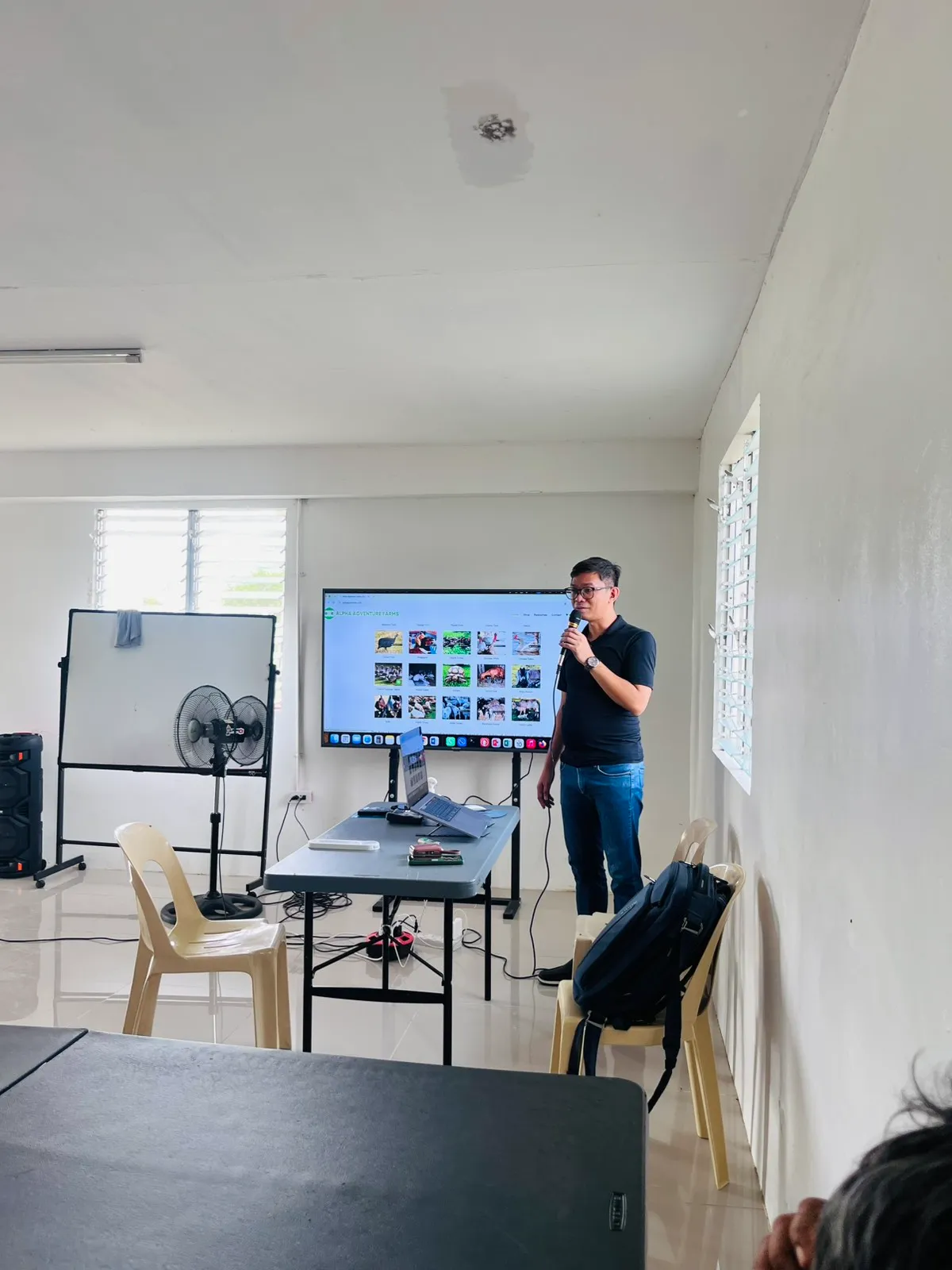
The training included two full days of on-farm instruction, giving us enough time to cover the complete guinea fowl production cycle without rushing through the discussions. The relaxed pace also allowed participants to ask questions whenever they came to mind.
In addition to the training sessions, I conducted a farm assessment and shared observations based on the client’s existing facilities, management practices, and long-term plans. This made the recommendations more practical and directly applicable to their operation.
Throughout the two days, the discussions remained highly interactive. Everyone was encouraged to ask questions, share ideas, and raise concerns that were specific to their own farm and future plans.
The participants also received a digital copy of the presentation materials so they could review the lessons after the training. They were likewise given permission to record the entire training for their own personal and private reference.
To recognize their participation, I issued e-certificates of participation to everyone who completed the training. Each participant received an individual e-certificate by email as a record of their participation in the two-day On-Farm Exclusive Training.
About Alpha Agventure Farms’ On-Farm Exclusive Training
This two-day guinea fowl training is just one example of the On-Farm Exclusive Training programs that I conduct through Alpha Agventure Farms. The same approach can be adapted to different agricultural enterprises, depending on the client’s interests and farming objectives.
I also conduct on-farm training on chicken, duck, turkey, goose, goat, sheep, ostrich, and cattle production. Each training is customized to match the client’s operation, whether they are just getting started or looking to improve an existing farm.
Beyond livestock production, I also provide training on general farm planning and other agriculture-related topics. The goal is always the same: to help clients make informed decisions using practical knowledge that can be applied directly to their own farms.
Because every farm is different, no two training sessions are exactly alike. Every program is built around the client’s facilities, resources, production goals, and the challenges unique to their operation.
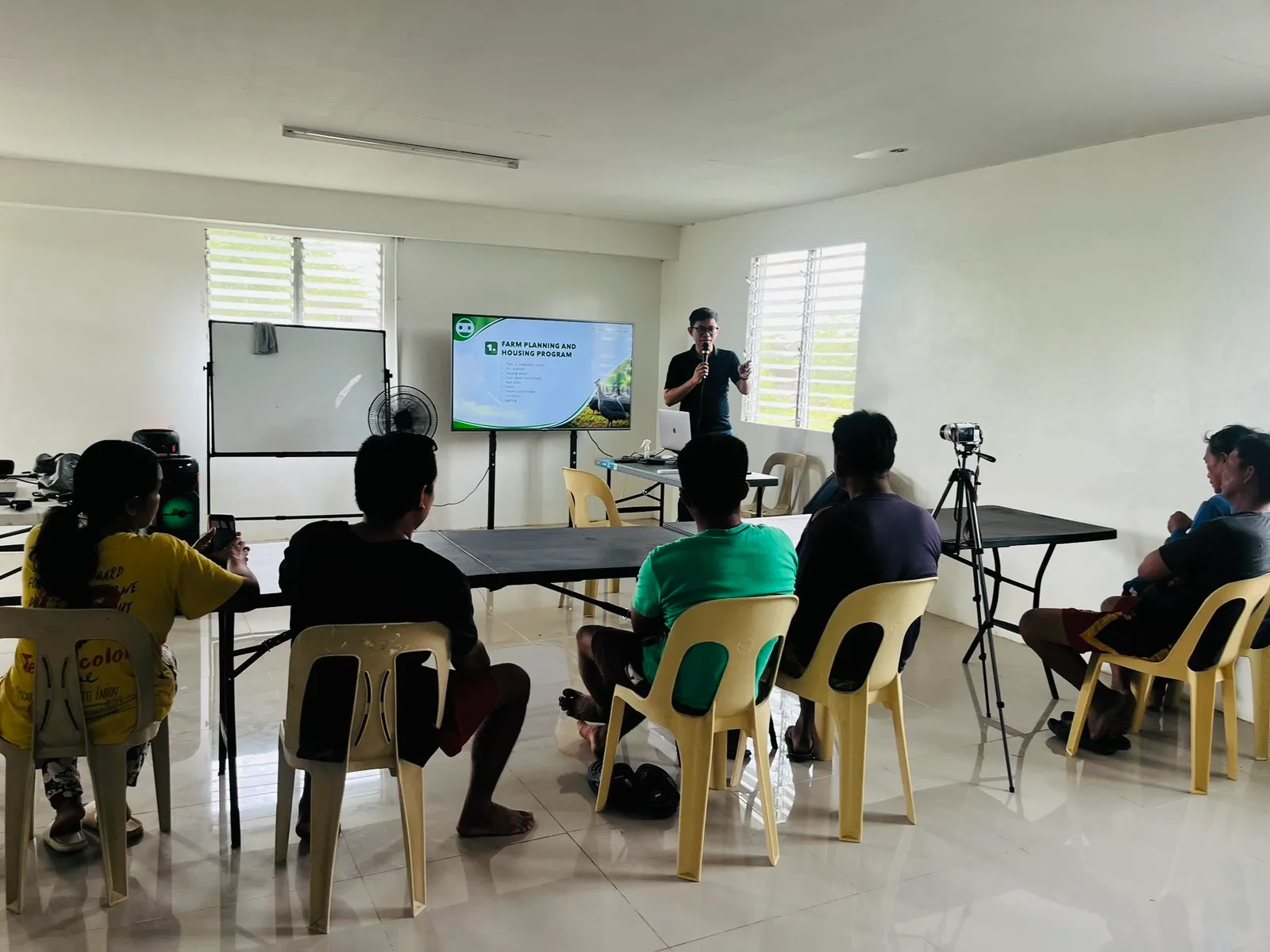
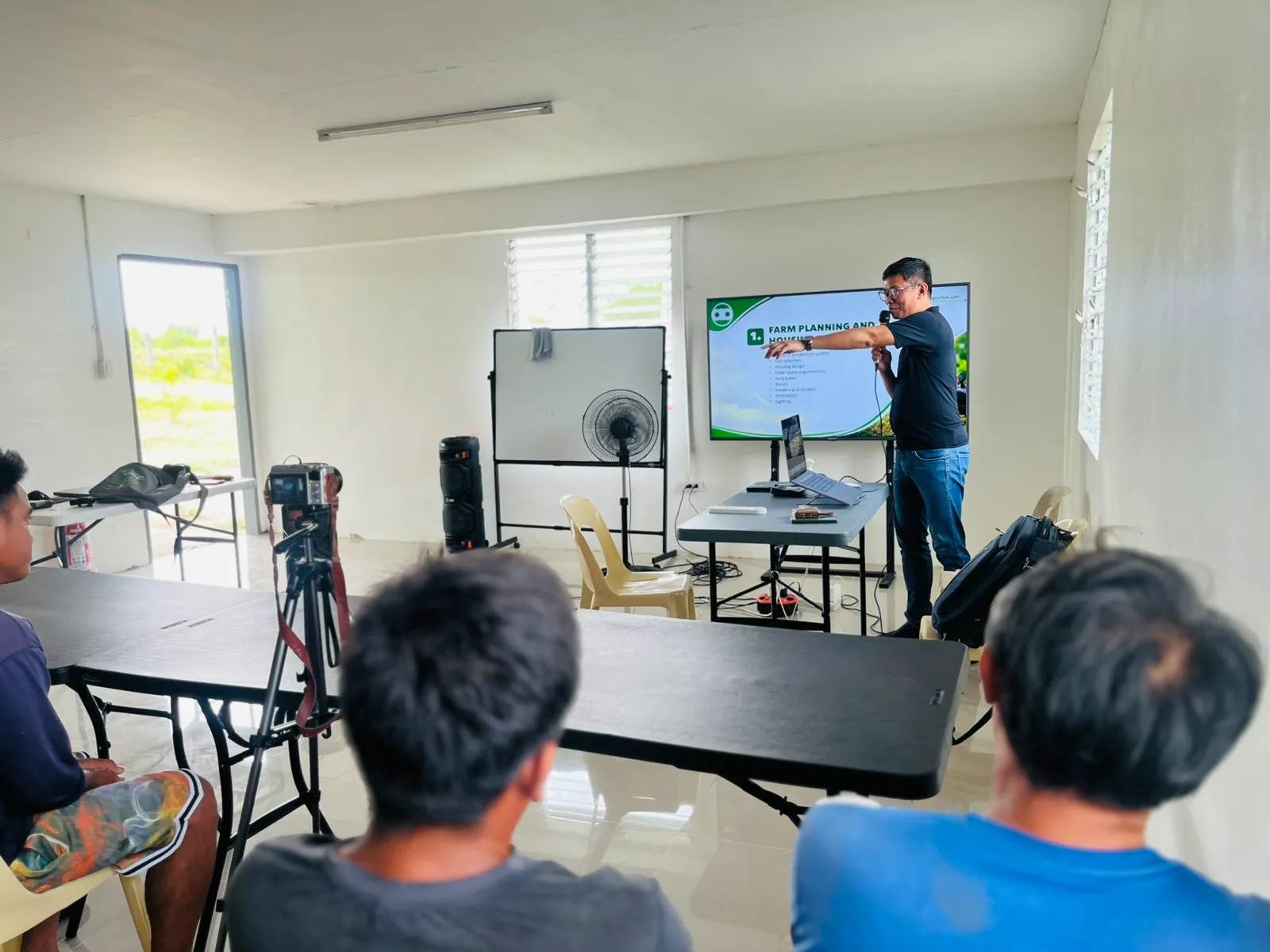
Livestock Farming Through Practical Training
Good livestock production is about much more than raising animals. It starts with sound planning, practical knowledge, and making the right decisions consistently over time.
That’s one of the reasons I enjoy conducting On-Farm Exclusive Training. Instead of simply sharing information, I get to work alongside farmers in the environment where those decisions are made every day. The discussions become more practical, the recommendations become more relevant, and the lessons are easier to apply after the training ends.
I hope this two-day training gave the client not only a better understanding of guinea fowl farming but also the confidence to build a healthy and productive flock that supports the long-term goals of their farm.
At Alpha Agventure Farms, I remain committed to helping farmers improve their operations through science-based, experience-driven, and technology-oriented agricultural training. Every farm has its own story, and I look forward to helping more farmers write the next chapter of theirs.