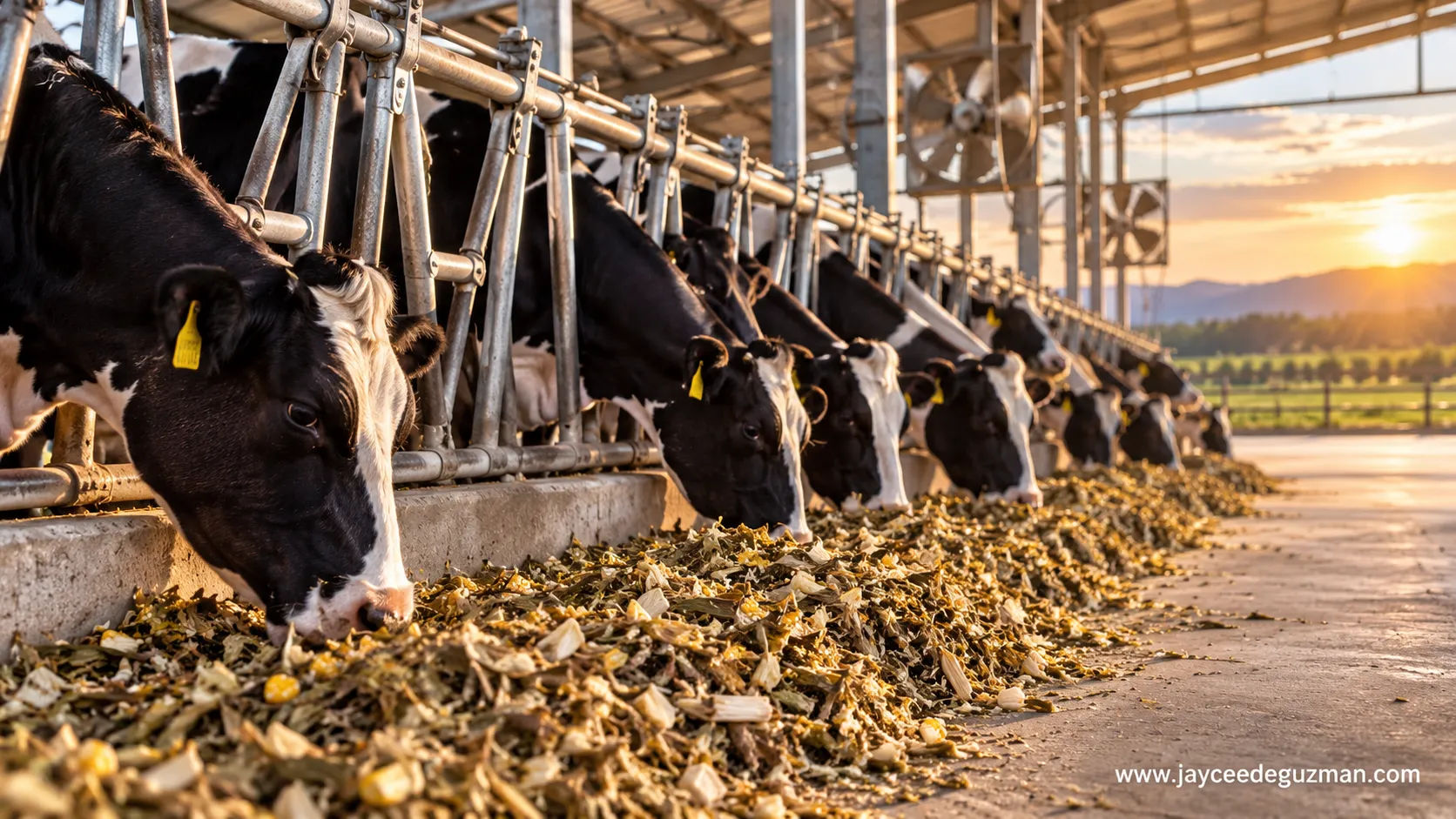

I have always believed livestock distribution programs should accomplish far more than simply handing beneficiaries healthy animals. Public investments deserve thoughtful planning that creates lasting opportunities instead of temporary assistance for participating farming families.
Throughout my farming journey, I have observed recurring challenges limiting many otherwise promising livestock distribution initiatives. Those observations gradually convinced me several practical improvements could significantly strengthen future government programs.
These recommendations reflect my personal perspectives as both a farmer and an entrepreneur actively working within Philippine agriculture. They are not intended as criticism but as constructive proposals supporting stronger outcomes for beneficiaries and government alike.
My recommendations focus upon strengthening accountability, encouraging family succession, improving agricultural marketing, developing financial discipline, and creating dependable markets before production begins. Together, I believe these reforms can help transform livestock distribution programs into sustainable pathways toward long-term agricultural entrepreneurship.
Every Livestock Distribution Program Should Include Continuous Accountability
One reform I strongly support involves establishing continuous accountability throughout every livestock distribution program. I believe genuine success begins after beneficiaries receive their animals, not during distribution ceremonies alone.
Every program should include mandatory follow-up visits scheduled before beneficiaries receive their assigned livestock. Those visits should become integral program requirements instead of optional activities conducted whenever circumstances permit.
Monitoring visits should exist for meaningful evaluation rather than administrative compliance or ceremonial documentation purposes. Program implementers should sincerely determine whether public resources continue generating measurable agricultural and economic benefits.
Each scheduled visit should carefully assess animal health, breeding performance, productivity, mortality, and overall enterprise development. Consistent field evaluations provide objective evidence showing whether beneficiaries continue progressing toward long-term sustainability.
Regular monitoring should also reinforce sound management practices while correcting avoidable mistakes before problems worsen. Timely technical guidance often prevents small challenges from becoming costly setbacks affecting entire livestock enterprises.
Beneficiaries demonstrating responsible livestock management should receive recognition through expanded opportunities under future government initiatives. Those requiring improvement should first receive practical coaching, additional support, and reasonable opportunities before corrective measures become necessary.
Continuous accountability also benefits government agencies through reliable field information gathered across participating communities over extended periods. That information reveals which management practices consistently produce stronger livestock enterprises under actual farming conditions.
Future livestock distribution initiatives should rely upon measurable performance instead of isolated success stories alone. Honest evaluation strengthens policy decisions while ensuring every succeeding program improves upon previous implementations.
For me, genuine program success is never measured solely by distributed livestock numbers. I measure success through beneficiaries becoming confident, self-reliant, and profitable livestock entrepreneurs over time.
Every Livestock Dispersal Program Should Require a Parent-Child Tandem
Another reform I strongly encourage should begin before the first livestock reaches qualified beneficiaries. I believe every participating household should include both a parent and one capable child throughout the entire program.
Many livestock distribution initiatives require only the parent to attend orientations and technical training sessions. I believe at least one able-bodied and age-appropriate son or daughter should participate from the very beginning.
That simple adjustment could address one of Philippine agriculture’s most persistent long-term challenges. We cannot expect younger generations to replace today’s farmers without meaningful participation and practical responsibility.
Many discussions focus upon the country’s aging farmer population and declining agricultural workforce. However, lasting solutions require preparing tomorrow’s farmers instead of supporting only today’s agricultural producers.
Many young Filipinos grew up believing agriculture offers limited opportunities for personal and financial advancement. Their perceptions often developed after witnessing years of difficult farming conditions experienced by their parents.
Those beliefs rarely change through speeches, brochures, or occasional government campaigns encouraging agricultural participation. Genuine involvement allows younger family members to appreciate farming through practical experience instead of distant observation.
Every livestock distribution program should cultivate future farmers alongside productive livestock enterprises. Young beneficiaries attending training sessions and managing daily responsibilities acquire valuable knowledge impossible to learn casually.
Even when parents eventually retire, become ill, or reduce farming activities, continuity already exists within the household. Families become better prepared to sustain livestock enterprises without restarting the learning process entirely.
I strongly support government investments improving the genetic quality of Philippine livestock populations. I equally hope similar commitment develops the next generation of Filipino livestock farmers through intentional family participation.
Every successful breeding program should also strengthen succession planning within participating farming households. Sustainable agriculture ultimately depends upon productive livestock and capable people prepared to manage future enterprises.
Every Livestock Dispersal Program Should Teach Agricultural Marketing
One recurring weakness continues standing out whenever I observe many livestock dispersal initiatives across different communities. Beneficiaries receive excellent production training but rarely learn practical agricultural marketing skills afterward.
The Department of Agriculture naturally emphasizes cultural management because healthy livestock remains every farmer’s primary responsibility. However, successful production alone never guarantees a profitable and sustainable livestock enterprise.
That reality became clearer while expanding my own corn silage business over several years. I once asked several corn farmers why they never considered producing corn silage commercially.
Their answer immediately caught my attention because it exposed a much deeper problem. They understood corn production well but never learned how to identify dependable buyers.
That conversation convinced me many farmers struggle only after production successfully reaches completion. Farmers lacking marketing knowledge often accept unfavorable offers because better opportunities remain beyond their reach.
The Department should treat agricultural marketing as an essential farming competency rather than optional business education. Every livestock beneficiary deserves practical instruction helping transform production into consistent and profitable income.
Marketing training should include identifying customers, negotiating prices, building long-term relationships, and understanding market demand. Beneficiaries should also learn practical methods for promoting agricultural products using modern communication platforms.
My earlier Parent-Child Tandem Model becomes especially valuable when agricultural marketing enters the discussion. Older farmers often possess stronger production experience while younger family members understand digital technologies better.
Many younger Filipinos already use social media, online marketplaces, and digital communication platforms every day. Those familiar technologies can become powerful business tools when applied within agricultural enterprises.
Parents can concentrate primarily upon livestock production while younger family members gradually assume marketing responsibilities. That partnership allows every household to combine practical farming experience with modern marketing capabilities.
I believe every livestock dispersal program should produce capable marketers alongside competent livestock producers. Healthy animals create valuable products, but effective marketing transforms those products into sustainable family livelihoods.
Every Livestock Dispersal Program Should Teach Basic Accounting and Financial Stewardship
Whenever farmers discuss their livestock enterprises, one question always comes into my mind. Do they really know how much money they earned, or only how much money they received?
Throughout my farming experience, I have met many livestock raisers confidently sharing their latest sales. However, far fewer could accurately explain their actual profit after deducting every production expense.
That distinction matters because cash received and profit earned are never automatically the same. Without proper financial records, many farmers unintentionally overestimate the true performance of their livestock enterprises.
Basic accounting should become a core component of every livestock dispersal program instead of remaining an afterthought. Beneficiaries deserve practical financial skills supporting better decisions throughout the entire production cycle.
I am not referring to complicated accounting systems designed for large corporations or commercial enterprises. Simple recordkeeping methods already provide enough information to guide everyday farming decisions with confidence.
Every beneficiary should understand how to record expenses, sales, income, and overall enterprise profitability consistently. They should also distinguish gross profit from net profit before making important business decisions.
Another financial oversight deserves equal attention because many farmers unknowingly repeat the same mistake. They rarely assign monetary value to their own labor simply because nobody paid them directly.
Labor always carries economic value regardless of who performs the work inside the enterprise. Ignoring that cost creates unrealistic expectations about profitability while masking the business’s actual financial performance.
My proposed Parent-Child Tandem Model naturally complements this recommendation without placing unnecessary pressure upon older farmers. Many younger family members already possess greater familiarity with bookkeeping, spreadsheets, and digital financial tools.
Parents can concentrate upon livestock production while their children gradually manage financial records and enterprise analysis. That arrangement strengthens today’s operations while preparing tomorrow’s farm managers through meaningful practical experience.
Healthy livestock alone cannot create financially sustainable farming businesses without disciplined financial management behind every decision. I believe cultural management, agricultural marketing, and financial stewardship remain equally indispensable pillars of long-term agricultural success.
Every Livestock Dispersal Program Should Create the Market Before Distributing the Livestock
I have always questioned the sequence followed by many livestock dispersal programs across the country. Too often, beneficiaries receive animals before dependable markets ever exist for their future production.
That approach places unnecessary uncertainty upon farmers immediately after the program officially begins. Raising healthy livestock becomes only half the challenge when future buyers remain completely uncertain.
I witnessed this reality firsthand during the COVID-19 pandemic while speaking with several livestock raisers. Many wanted to dispose of their animals immediately despite accepting prices well below market value.
They preferred selling cheaply instead of continuously purchasing feeds without knowing when legitimate buyers would appear. Those conversations reminded me uncertainty often becomes more burdensome than temporary financial losses.
That experience gradually changed how I think about livestock development programs throughout the Philippines. Producing more livestock farmers should never become the ultimate objective of government interventions.
I believe every livestock dispersal program should primarily develop confident agripreneurs instead of uncertain producers. Farmers should enter every enterprise knowing profitable opportunities already exist beyond the production stage.
For that reason, I strongly believe market development should come before livestock distribution whenever circumstances reasonably permit. The Department of Agriculture should first help establish dependable buyers before distributing the first animal.
I previously developed a Pekin duck distribution model based upon this very principle. Instead of requiring beneficiaries to independently search for buyers, the local government initially purchases their fresh duck eggs.
Those eggs can then support employee distribution programs or appropriate school nutrition initiatives, subject to applicable laws and procurement requirements. Beneficiaries begin production knowing legitimate demand already exists for their products.
That single adjustment changes the mindset of both program implementers and participating beneficiaries from the beginning. Everyone starts viewing livestock as a business opportunity instead of merely a government assistance project.
People often remind us never to count our chicks before the eggs hatch. I believe business planning follows a different principle whenever dependable buyers already stand prepared to purchase future production.
Although every livestock enterprise requires different marketing strategies, the underlying principle remains remarkably consistent across different species. Market development deserves the same strategic attention already devoted to animal production and genetics.
I respectfully encourage the Department of Agriculture to place equal emphasis upon developing markets alongside distributing livestock. Strong markets produce confident agripreneurs, and confident agripreneurs build stronger rural economies.
From Livestock Beneficiaries to Livestock Entrepreneurs
The Philippines has never lacked hardworking farmers willing to improve their family’s future through agriculture. What many of them need are government programs designed to develop lasting enterprises instead of temporary beneficiaries.
The reforms I have presented are neither complicated nor unrealistic for government agencies to implement. Most simply require rethinking existing priorities instead of creating entirely new livestock dispersal frameworks.
Livestock dispersal programs should never end after animals are distributed to qualified beneficiaries. They should continue through genuine monitoring, practical education, financial discipline, and dependable market development.
I also believe every livestock dispersal program should intentionally prepare the next generation through my proposed Parent-Child Tandem Model. Strengthening family succession today helps secure Philippine agriculture for many years ahead.
Government has already invested considerable resources improving the genetics and productivity of our livestock populations. I hope equal determination will also be devoted toward developing capable agripreneurs who can transform those resources into sustainable family enterprises.
My vision extends beyond producing more livestock farmers across different Philippine communities. I hope future livestock dispersal programs consistently produce confident entrepreneurs, resilient rural families, and stronger agricultural economies throughout the country.